Why good-looking Shopify stores still don't sell
A good-looking store that doesn't convert is an expensive brochure. Most Shopify stores fail for the same handful of reasons, and none of them are about how the homepage looks. If two or more of these sound familiar, the problem is structural.
- Traffic arrives and leaves. People visit, browse a product and never reach the cart. That is usually a merchandising and product page problem, not a traffic problem.
- The store is slow on mobile. Full-resolution images scaled down in the browser and a stack of apps nobody audited. Most beauty and supplement stores I audit lose the buyer before the first image appears.
- Product pages don't answer the real question. Buyers want specifics: ingredients, sizing, sourcing, what is actually in the box. When that lives in your DMs instead of on the page, every sale needs a conversation.
- One catalogue, several kinds of buyer. A first-time visitor and a returning professional need different paths. A flat catalogue serves neither of them well.
- Nothing happens after the order. No abandoned-cart recovery, no post-purchase flow and no subscription option on products people buy every month. That revenue is left on the table by default.
What every Shopify build includes
Every package includes all six of these. What changes between packages is depth, not scope.
- Conversion-first structure. Theme setup, collections and product pages planned around how your buyers shop, so a visit turns into an order.
- AI-assisted product content. Consistent product descriptions generated from a controlled dataset and held to your brand voice. Photography stays yours, but I specify exactly what is needed: crop, background, resolution and count per product.
- Mobile-first performance. A fast, responsive store on every device, with images sized properly and every app justified.
- Search and AI visibility. Structured content and schema so Google and AI search can read your products.
- Cart and checkout optimisation. A better cart, cross-sells and fewer obstacles between the product page and payment.
- Automation. Abandoned-cart recovery, post-purchase flows, subscriptions and optional AI assistance.
Standardising product photography is usually the single biggest visual upgrade on a store, and it costs nothing but discipline.
Packages and pricing
Fixed price, quoted before anything is built. You approve scope, timeline and cost in writing, then I build to it. No hourly billing and no mid-project scope changes.
| Package | Best for | Price | Timeline | What is included |
|---|---|---|---|---|
| Launch | New brand, first store | From $1,500 | 2 to 3 days | Up to 20 products, conversion-first theme setup, AI-assisted product copy, mobile speed pass, basic schema and SEO setup, recorded handoff walkthrough |
| Growth | The most chosen package | From $2,750 | 5 to 7 days | Up to 100 products, custom collection architecture, cart drawer, cross-sells and bundles, abandoned-cart and post-purchase flows, full schema and Core Web Vitals pass, GA4 and Meta Pixel set up, 30 days of post-launch care |
| Scale | Multi-market or multi-model brands | From $5,000 | 2 to 3 weeks | Unlimited catalogue, multiple languages via Shopify Markets, subscriptions and memberships, an AI chatbot trained on your catalogue, CRM and ERP integrations, custom Liquid sections, ongoing optimisation available |
Standard Shopify covers almost everything above, including subscriptions and multiple languages. Most brands don't need Shopify Plus.
How the project runs
- Discovery. Your products, customers, competitors and where sales are being lost today.
- Strategy. The store structure, templates, automation and goals, set out in a written proposal with a fixed price and an exact launch date.
- Build. The store, products, cart and automation. If you are moving from another platform, this includes products, customers, orders and a full redirect map.
- Launch. Everything tested, performance tuned, and the store handed over with documentation, recorded walkthroughs and training for whoever runs it.
Most stores go live in three to seven days. Larger builds with subscriptions, several languages or CRM integration take longer, and the proposal tells you exactly how long.
Recent Shopify builds
Recent stores, grouped by niche:
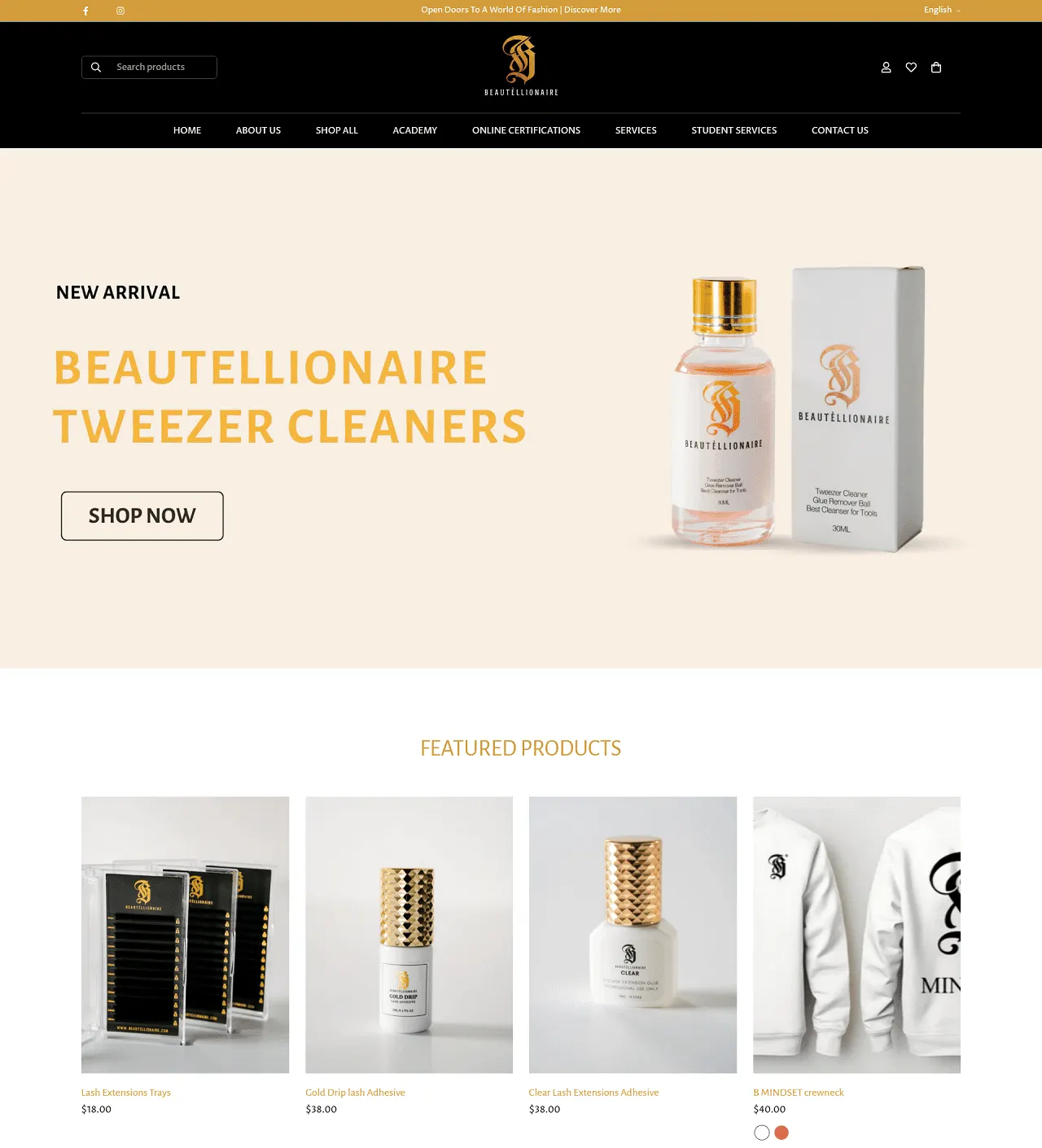
- Beauty and skincare: Beautellionaire and URSKIN Beauty.
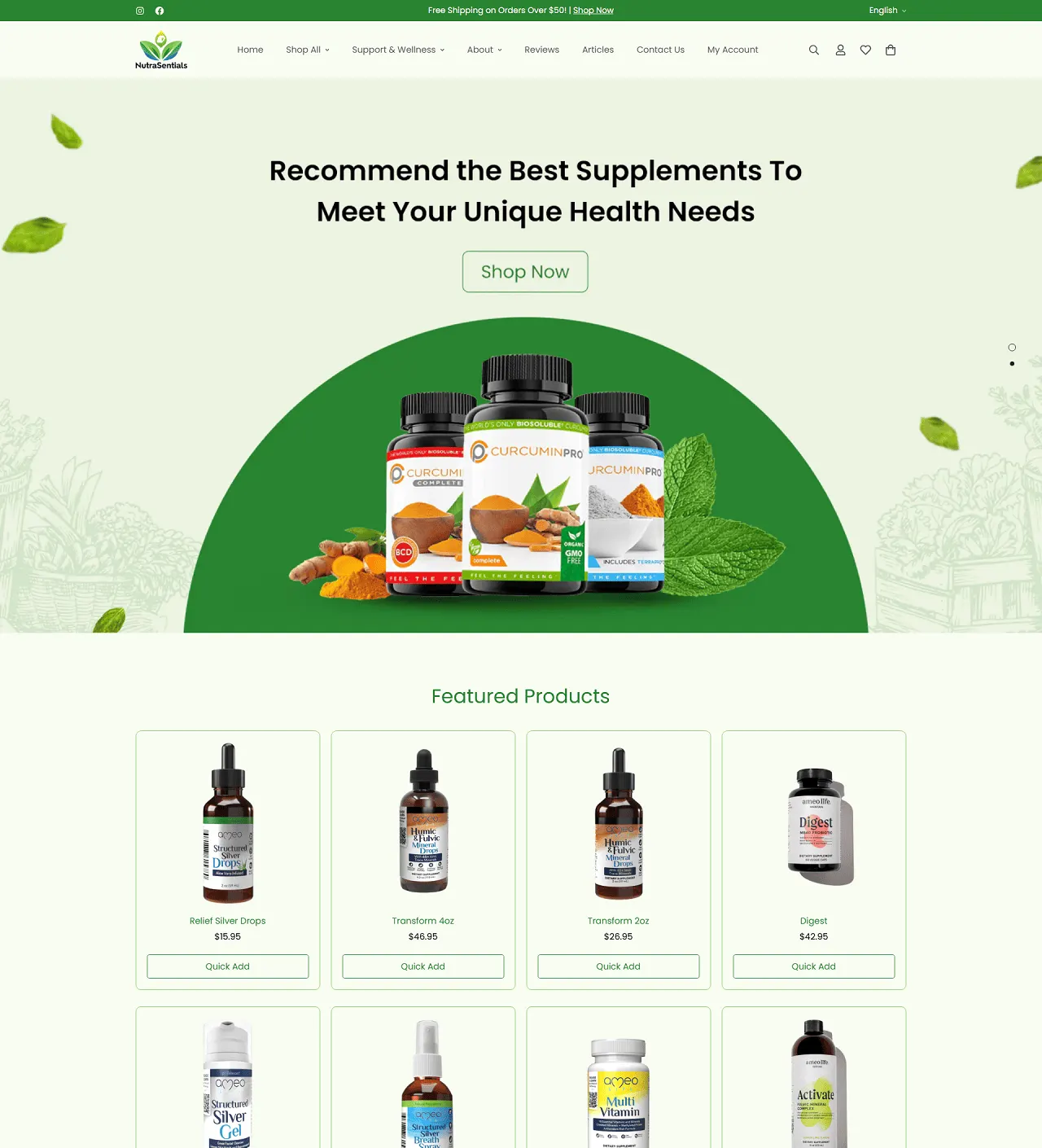
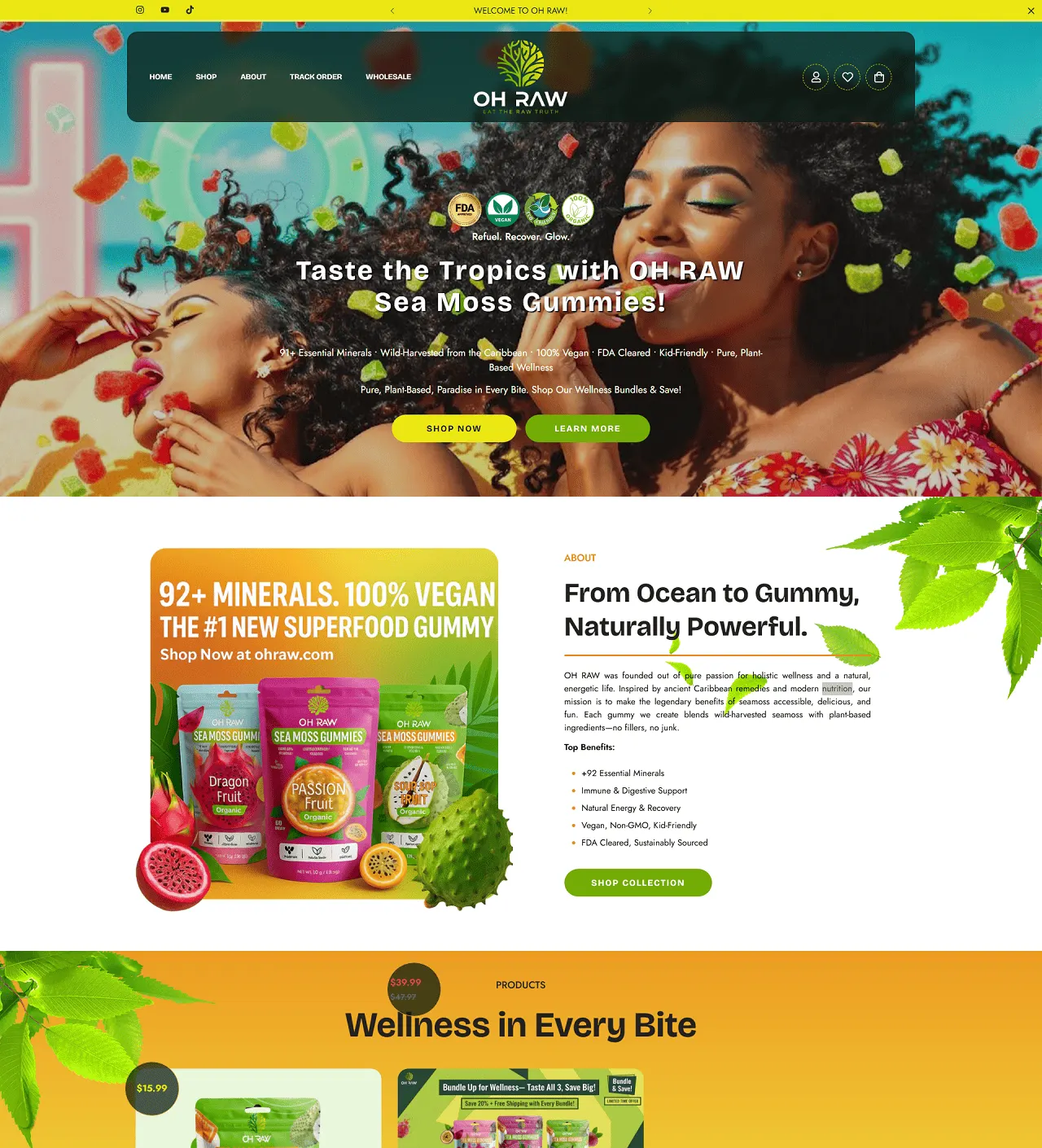
- Supplements and wellness: NutraSentials and Ohraw.
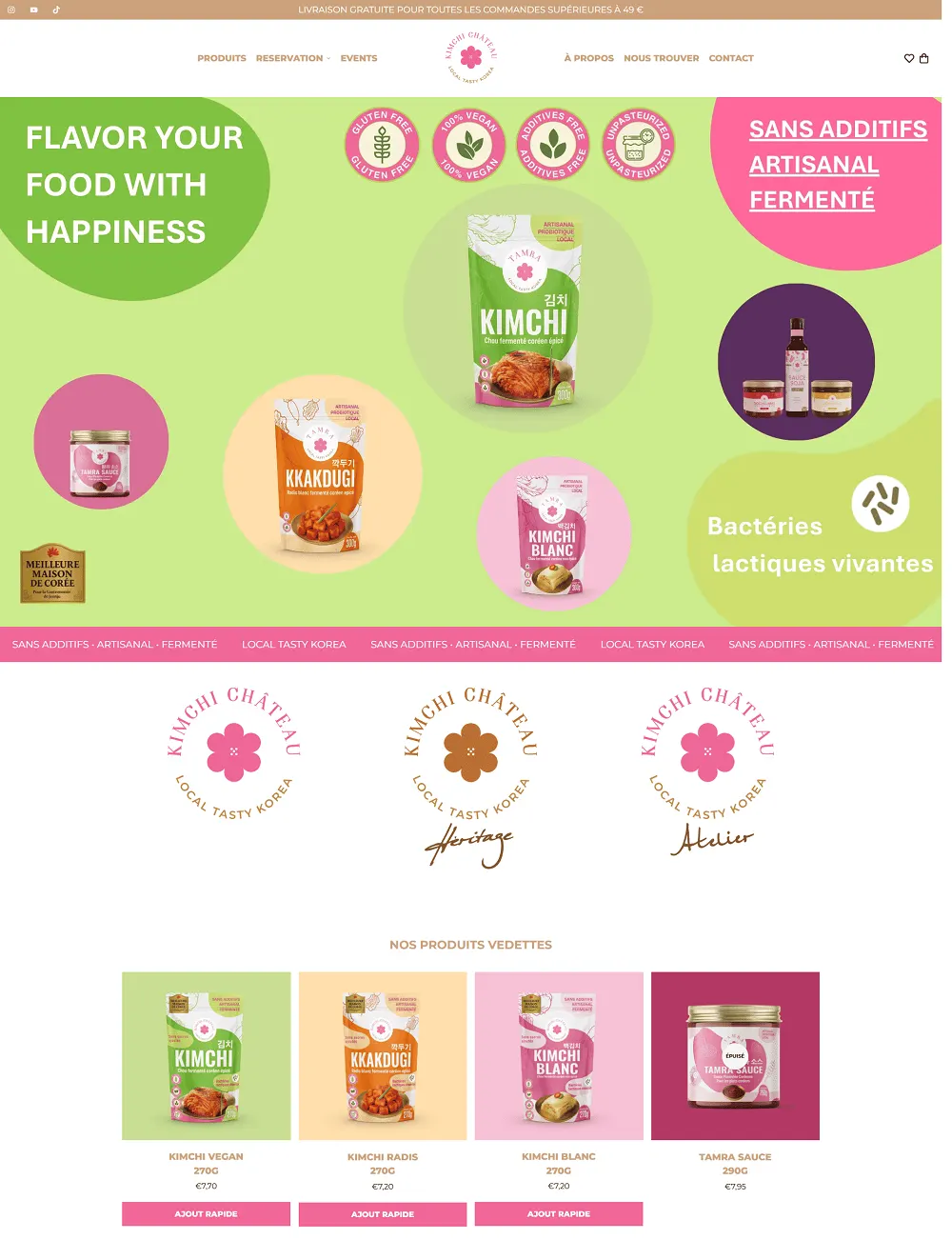
- Food: Kimchi Château.
If you are in one of these markets, see how I approach Shopify stores for beauty and skincare brands, stores for supplements and health brands and online stores for food brands.
Why work with Usama
- You work with me directly. I've been building since 2014, with 1,400+ projects shipped and clients in 40+ countries across the US, UK, Europe and the Middle East. I'm based in St Petersburg, Florida, with a second office in Gujranwala, Pakistan, and I work async-first with calls in your time zone.
- Fixed price in writing. Clear pricing up front, no hidden fees and no hourly billing.
- Full ownership. Complete documentation, training and ownership of the store at handoff.
- A straight assessment. If the AI layer won't pay for itself in your store, I'll say so in the discovery call.
Shopify isn't always the answer. If you want everything on one platform with full control over the code, a WooCommerce store on WordPress may suit you better. Once the store is live, AI SEO services cover the ongoing work of ranking on Google and getting cited in AI answers.
The first step is a free 30-minute call. Tell me what you're selling and I'll tell you what I would change first and roughly what it would cost, whether or not you hire me.